
January 2, 2026 at 11:50
Locked In and Priced Out: How Interest Rates Are Freezing the U.S. Housing Market
Authored by MyEyze Finance Desk
Homeowners can't move from their cheap loans. New buyers face huge payment shock. This 'lock-in' keeps prices high even though sales are low. This article explains how high rates and low supply are changing who can buy a home—and what it means for everyone's wallet in 2026.
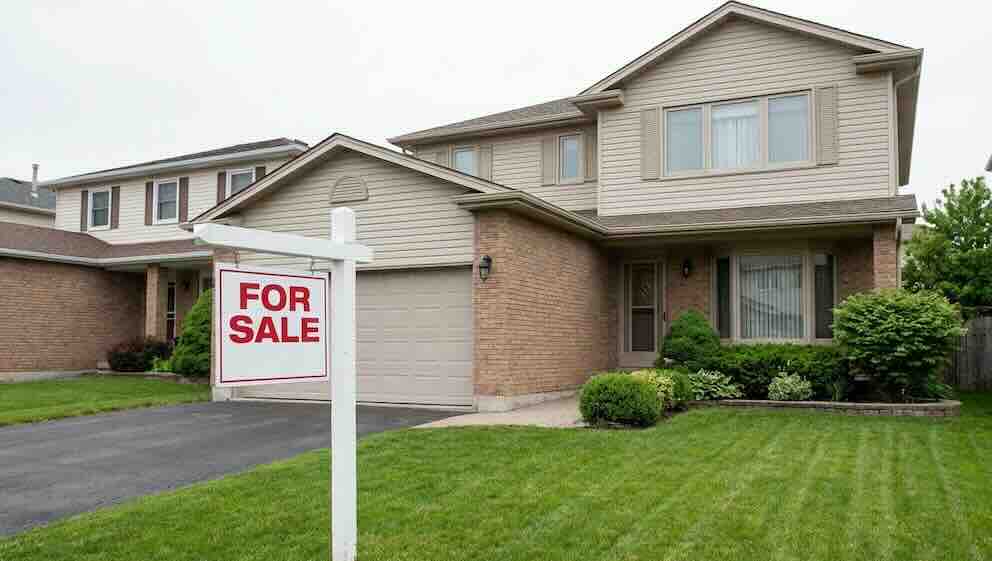
Why aren't homeowners selling? Many are 'locked in' by super low mortgage rates from years past. The result? A shortage of homes for sale is keeping prices up, even though high rates make buying a house painfully expensive for newcomers. We break down what this frozen market means for future buyers and the economy in 2026.
How Today’s Interest Rates Are Reshaping U.S. Housing and Household Finances
In the United States, interest rates have become one of the most powerful forces shaping household finances and housing market behavior. After years of ultra-low borrowing costs, the Federal Reserve’s rate hikes — and the lingering effects of those increases — continue to influence who buys, who sells, and who stays put.
While inflation has eased and the Fed has begun trimming its benchmark rate, borrowing costs for mortgages and loans remain far above the pandemic-era lows that fueled the housing boom of 2020 and 2021.
Personal Impact: Borrowers Are Adjusting to Higher Costs
Mortgage Payments Have Jumped Sharply
At their peak in late 2023, average 30-year mortgage rates climbed close to 8%, up dramatically from the 2–3% range seen just a few years earlier. Even after recent declines, rates remain elevated by historical standards, hovering around 6.2–6.3%, according to Freddie Mac data.
For buyers, that difference has real financial consequences.
The Mortgage “Lock-In” Effect
Millions of homeowners refinanced or purchased homes before 2022, locking in historically low mortgage rates. Today, selling a home often means giving up a sub-4% loan and taking on a new mortgage with a rate exceeding 6%.
According to research from Bankrate and the Federal Housing Finance Agency (FHFA), this so-called lock-in effect prevented roughly 1.7 million home sales between 2022 and 2024, significantly reducing the number of homes available on the market. Fannie Mae research shows that while lifestyle and location preferences matter, interest rates are the dominant reason homeowners are choosing not to move.
The result is a market where homeowners are equity-rich on paper but reluctant to sell — a dynamic that limits inventory and mobility.
Payment Shock for New Buyers
Higher rates translate directly into higher monthly payments. For a median-priced U.S. home in November 2025 — about $409,200, according to National Association of Realtors data — monthly principal and interest payments are roughly $2,000 at current mortgage rates. At a 3% rate, that payment would be closer to $1,200.
That difference amounts to $800 more per month, or approximately $288,000 in additional interest over a 30-year loan. The Consumer Financial Protection Bureau estimates that typical mortgage payments are now about 77% higher than during the pandemic once rising home prices are factored in.
Impact Beyond Mortgages
The pressure isn’t limited to housing. Higher interest rates have also raised costs for auto loans, credit cards, and personal loans. According to the CFPB, increased debt servicing leaves households with less disposable income for discretionary spending, such as travel, education, and home improvements.
Housing Market Effects: Slower Activity, Tighter Affordability
Despite higher borrowing costs, the U.S. housing market has not collapsed. Instead, it has slowed — constrained by affordability challenges and limited supply.
Affordability Near Multi-Decade Lows
NAR data shows housing affordability at levels comparable to the early 1980s. A $400,000 mortgage today can cost roughly $900 more per month than it would have at low-3% rates, forcing many buyers to delay purchases, downsize expectations, or remain renters.
Sluggish Sales and Lean Inventory
Existing home sales rose modestly to an annualized pace of about 4.13 million units in November 2025, marking a third consecutive monthly increase. Even with this uptick, overall sales activity remains historically low, reflecting how affordability constraints continue to limit buyer participation.
At the same time, housing inventory remains tight. The number of homes available for sale stood at approximately 1.43 million, equivalent to about 4.2 months’ supply. Economists generally consider a market with around 5 to 6 months’ supply to be balanced between buyers and sellers. This imbalance between limited supply and reduced — but still present — demand helps explain why home prices have not fallen significantly. Despite slower sales, prices have remained elevated or continued to edge higher, a dynamic often described as price resilience. Prices are holding up not because demand is booming, but because there are simply too few homes on the market to force meaningful price declines.
In effect, the housing market is experiencing low turnover rather than falling values. Many potential sellers remain on the sidelines due to higher mortgage rates, while buyers who are able to afford current conditions compete for a limited pool of listings — keeping prices supported even as transaction volumes stay subdued.
Regional Differences Persist
Supply conditions vary widely by region. New construction has improved inventory in parts of the Sun Belt, while markets in the Northeast and Midwest remain especially tight. First-time buyers continue to struggle, accounting for roughly 30% of purchases, well below historical norms.
Wider Economic Impact: Spending and Mobility
Consumer Budgets Are Under Pressure: The CFPB notes that higher housing and debt costs reduce household spending power, which can weigh on retail sales, travel, and services — key components of the broader economy.
Mortgage Rates Don’t Move in Lockstep With the Fed: Even when the Federal Reserve cuts short-term rates, long-term mortgage rates often respond slowly or unevenly. This limits how quickly rate relief reaches households and the housing market.
Reduced Labor Mobility: The mortgage lock-in effect also affects the labor market. FHFA research suggests homeowners may be less willing to relocate for better job opportunities when doing so means significantly higher housing costs, potentially reducing workforce flexibility and productivity over time.
What This Means Right Now
- Homeowners with low-rate mortgages retain a financial advantage.
- New buyers face severe affordability constraints.
- Housing activity is slow, but not in free-fall.
- Consumer spending is increasingly shaped by debt costs.
The U.S. housing market is adjusting rather than collapsing. Surveys indicate that lower mortgage rates would likely unlock both buyer demand and housing supply, but current conditions point to a market stuck in transition.
Conclusion
Higher interest rates have fundamentally reshaped borrowing, housing decisions, and household budgets across the U.S. While some relief has emerged as rates stabilize, affordability challenges, inventory shortages, and mortgage lock-in continue to define the housing landscape. How quickly these dynamics ease will play a major role in determining the market’s direction in the months ahead.
Disclaimer
This article is for educational purposes only and should not be interpreted as financial advice. Readers should consult a qualified financial professional before making investment decisions. Part of this content was created with formatting and assistance from AI-powered generative tools. The final editorial review and oversight were conducted by humans. While we strive for accuracy, this content may contain errors or omissions and should be independently verified.